The Ancient Thick-Hair Protocol – Agbara Naturals
AGBARA NATURALS  •  Ancient Strength. Plant Wisdom. Daily Practice.
Agbara Naturals
Ancient strength. Plant wisdom. Daily practice.
20 July 2026 Posted by David F. O. 📖 2 min read

A 76-Year-Old Yoruba Elder Quietly Shared The Ancient Daily Scalp Practice Nigerian Men Used To Keep Their Crowns Full Into Old Age — Without Pharmacy Products, Without Chemicals That Burn, and Without Watching More Hair Leave Every Morning

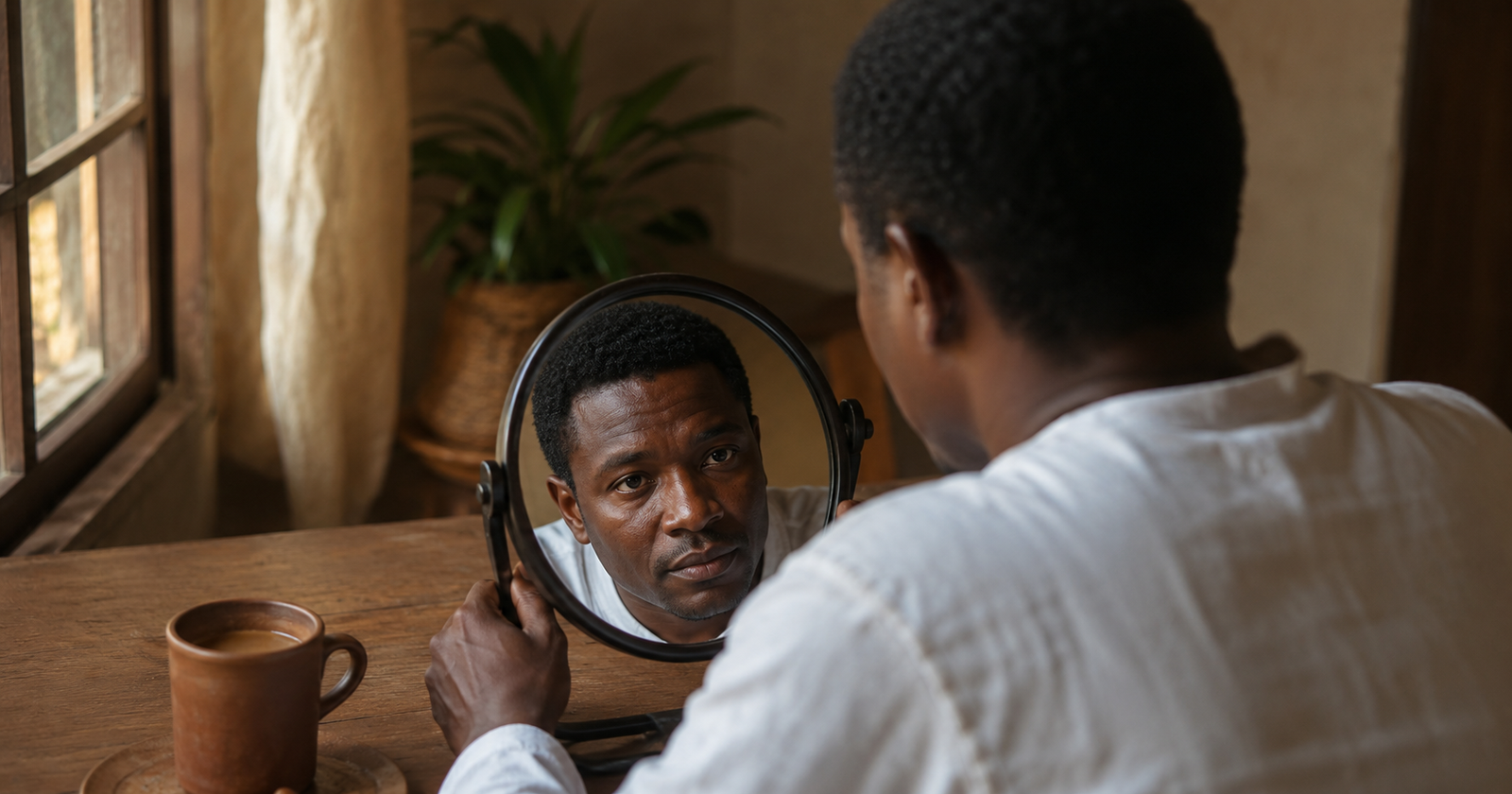
Agbara Naturals hero image

Watching your hair thin is a quiet thing.

It does not announce itself.

One morning you are under the bathroom light and you tilt your head at a certain angle and you see it. A little more scalp at the crown than you remember. A hairline that has moved slightly further back than it was six months ago.

You do not say anything to anyone.

You just pull on your cap before you leave the house.

Or you start cutting everything very close. So the thinning blends in. So nobody can tell the difference between a choice and a problem.

You tell yourself it does not matter.

But late at night, when it is quiet, the real thoughts come.

“What if this is just how it is for me now?”

“My father went bald at 45. Maybe this is just my inheritance.”

“What if nothing I try actually works?”

I lived inside those thoughts for nearly two years.

It was a Sunday afternoon. I was in front of my mirror in my flat in Lagos. Thirty-eight years old. HR manager. Not someone who worries about things like this. And yet there I was, turning my phone into a second mirror to check the back of my head for the third time that week.

My younger brother was coming to visit in three days. He still had a full head of hair. I was already thinking about what angle I would sit at.

That was the day I decided I had to find something that actually goes to the root of the problem.

David F. O.
David F. O.
38-year-old professional from Lagos. Not a doctor. Not a herbalist. A man who was tired of watching his hairline retreat and found something that actually helped.

How Eighteen Months of Pharmacy Products Became My Permanent Routine

Month one became month three.

I bought the shampoos. The expensive ones with the medical-looking labels. I used them as instructed. The existing hair felt cleaner. Thicker, almost. But the thinning at the crown kept going.

I went online. I found the supplements. Biotin. Saw palmetto. Zinc. I took them for four months. They may have helped something else in my body. But the hairline continued its quiet retreat.

I tried the minoxidil. The foam. Applied it every morning. It worked — while I was using it. The moment I missed a week, everything reversed. I was now managing a dependency, not a solution.

My mother noticed. She said: “David, you are stressing yourself. Just shave it clean and stop worrying.”

I told her I was fine.

But I was spending real money every month, rotating between products, and nothing was changing the underlying condition. The hairline was still moving. The crown was still thinning.

The Signs I Was Telling Myself Were Not a Big Deal

I had stopped taking certain photographs. Profile shots specifically.

I had started positioning myself in meetings so that the overhead light hit me from the front, not from above.

I had changed my barber. Not because the old one was bad. Because he had started giving me a look when he lifted my hair to fade the crown.

A man does not announce these adjustments. He just makes them. And somewhere inside the making of them, he quietly accepts that this is how things are now.

Until one evening in December 2024.

The Trip to Osun State That Changed Everything

My uncle’s grandfather — a man in his mid-seventies we all called Baba Akinwande — was visiting for the Christmas period. He had come down from his compound in Ede to spend two weeks with the family.

I had not seen him in three years.

The first evening, we were sitting outside in the compound, and he watched me run my hand across the top of my head without realising I was doing it.

He said nothing. He just watched.

But the next morning, he came and sat beside me while I was having tea and he said:

“Your head is not finished. The hair is still there. It is just sleeping. Our people have always known how to wake it up. Come and see me this afternoon.”

Meeting Baba Akinwande

Baba Akinwande is not a herbalist in the commercial sense. He is not someone who sells things. He is a retired schoolteacher who grew up in a household where his own father practised traditional Yoruba medicine and plant wisdom for fifty years.

He sat me down under the mango tree in the compound with a calabash of water and something that smelled faintly of herbs I could not name.

Then he said:

“The pharmacy gives you things to add to the hair you already have. To make it look thicker. To add moisture to what is there. That is not the same as addressing the scalp itself. The follicle. The root.”

“Our grandfathers — the men whose photographs you see with full hair into their sixties — they were not using anything special. They were using what was around them. They were touching the scalp every night. Ori. Ahon-erin. Alubosa. They were feeding the root. Not the strand.”

“Modern men have stopped doing this. And so the follicles are not receiving what they need. It is a simple problem. And a simple practice can address it.”

He showed me four plants.

Things available in any Nigerian market.

Things I had walked past a hundred times without knowing what they could do.

“The knowledge is not gone,” he said. “It is just not being passed on. Come back tomorrow and I will show you exactly how our people prepared and applied these things. Then you do it every day for ninety days and you report back to me.”

“The follicles are not dead. They are not receiving what they need. That is the only difference between the men who kept their hair and the men who did not.”

What He Showed Me That Morning

The four plants. Their Yoruba names. Where to buy them. How to prepare each one. The specific scalp massage technique — direction, pressure, duration — that ensures the preparation actually reaches the follicle and does not simply sit on the hair shaft.

He told me which plants have documented research behind them and which ones our people used for centuries before science confirmed what they already knew.

He told me about rosemary — ewe rosemary — and the 2015 clinical trial in which it matched the results of pharmaceutical minoxidil in men with pattern hair thinning over six months. With less irritation than the drug.

He told me about ori — shea butter — the plant our grandmothers used on every head in the household. Now carrying a United States patent for hair restoration. The same plant. The same knowledge. Now validated by science.

He told me about ahon-erin — aloe vera — the plant that has been documented in African dermatology research for its scalp-protective and moisture-supporting properties.

And he told me about alubosa — onion — whose bulb juice applied to the scalp appears in both traditional African hair care practice and a published 2002 journal study on alopecia.

“These are not secrets from another country,” he said. “These are from here. From us. Our people have always known. We just stopped doing it when the pharmacy arrived on every street corner.”

I left Osun State with a small notebook and four things to buy at the market.

The First Month: Slower Than I Expected

I started the practice the week I got back to Lagos.

Week one: no visible change.

Week two: the scalp felt different. Less tight. Less dry. I noticed I was scratching my head less.

Week three: still no visible change at the hairline. But something was happening at the scalp level that I could feel when I ran my hand across it. A different texture. Less rough.

But Baba Akinwande had told me something before I left:

“Do not expect to see it quickly. The follicles have been undernourished for years. You are not treating a symptom. You are restoring a condition. Give it sixty days before you look for changes in the mirror. The scalp will tell you it is working before the mirror does.”

So I continued.

Week Six: The First Sign

I woke up on a Tuesday and ran my hand across the crown as I do every morning.

And it felt different.

Not dramatically. But the area that had become thin and slightly shiny — the kind of scalp that catches light in a way full-haired scalp does not — felt less exposed under my hand.

I did not say anything to anyone.

I took a photograph.

Week Ten: Others Started Noticing

My barber.

He was fading my crown and he stopped and looked more closely. Then he said: “Oga, something has changed here. The hair is denser than the last time. What are you doing?”

I told him nothing special.

But I knew.

By week twelve, I placed the photograph I had taken in week six beside a new one. The difference was visible. Not a full restoration. I am not claiming that. But the thinning had meaningfully slowed. The crown was filling in at the edges. The shiny, stretched look had reduced.

That was enough. More than enough.

I called Baba Akinwande and told him.

He said: “I told you. Our people knew.”

I Am Not the Only One

After my results, I shared the practice with four men in my life.

My colleague Babatunde, 41, a finance manager: “By week eight my barber asked me what I changed. I had told nobody. The crown is genuinely filling in.”

My cousin Emeka, 35, a site engineer in Abuja: “I got all the ingredients from Wuse market for under N4,000. By month two my wife had noticed the back looked thicker. She would not say something like that unless it was true.”

My neighbour Chukwuemeka, 44, who travels to London frequently: “I sourced everything in Peckham. The practice is ten minutes a day. Three months in, the thinning has slowed to something I can accept. I am not stopping.”

Same four plants. Same daily practice. Different bodies. Different ages. Different starting points.

Why I Decided to Document This Properly

This knowledge should not stay in a notebook.

Too many Nigerian men are in the same cycle I was in: pharmacy product, no lasting result, next pharmacy product, repeat. Spending money every month on products that address the strand and not the scalp. Getting temporary results and calling it good enough because they do not know another option exists.

I went back to Baba Akinwande and asked his permission to document everything properly in a guide.

He agreed. On one condition:

“Document it exactly as it is. No shortcuts. No promises you cannot stand behind. And always, always tell them — this works alongside medical care, not instead of it. If a man has a scalp condition, he must see a dermatologist. This is a practice, not a prescription.”

I promised him.

And I built the guide.


Here Is What Baba Akinwande’s Knowledge Looks Like as a Complete 90-Day Practice

The Ancient Yoruba Scalp Practice Quietly Used by Our Grandfathers — Documented as a Complete 90-Day Daily System for Nigerian and African Men Carrying the Balding Burden

Everything Baba Akinwande shared with me, documented completely in one guide you can follow at home.

Inside the guide, you will find:

  • Why male hair thinning keeps progressing — and the one thing most men never address (Page 4) The plain explanation of DHT, scalp circulation, and follicle dormancy that finally makes the problem make sense.
  • The four plant-based pillars — with Yoruba names, market sourcing, and exact preparation methods (Pages 10–22) Ewe rosemary, ori, ahon-erin, alubosa. What each one does. How to prepare it. Exact quantities. No guesswork.
  • The complete daily practice — morning and evening, Day 1 through Day 90 (Pages 23–34) The specific scalp massage technique — direction, pressure, duration — that makes the plant preparations reach the follicle, not just the strand.
  • The dietary discipline — Nigerian foods that support follicle health from the inside (Pages 35–41) Protein, iron, zinc, and biotin-rich local ingredients available in every market. Practical adjustments, not a strict diet.
  • The 90-Day Progress Tracker (Pages 42–45) A weekly check-in chart to record what you notice. Progress in this area is slow and real. The tracker helps you see it before the mirror does.

You do not need to find any elder or traditional healer. You do not need any equipment.

Every ingredient in this protocol is available in your local Nigerian market. Total cost of all four ingredients: under ₦4,000.

Compare that to what most men are already spending:

Pharmacy hair growth shampoos and oils (monthly) ₦8,000 – ₦18,000
Minoxidil (monthly, ongoing dependency) ₦12,000 – ₦22,000
Biotin and supplement stacks (monthly) ₦6,000 – ₦14,000
All four protocol ingredients (one-time, 90 days) Under ₦4,000

What Went Into Building This Guide

  • Two full days with Baba Akinwande documenting every detail of the practiceTravel + time: ₦38,000
  • Cross-referencing all four plants against published research and Nigerian dermatology literature₦32,000
  • Testing the protocol with six men across different ages, hair types, and locations over 14 weeks₦28,000
  • Writing, editing, and professional design of the complete guide₦24,000
  • Website and digital delivery setup₦10,000

Total investment to build this: over ₦132,000.

A fair price would be ₦18,000. But if you take action today…
Everything You Are Getting Today
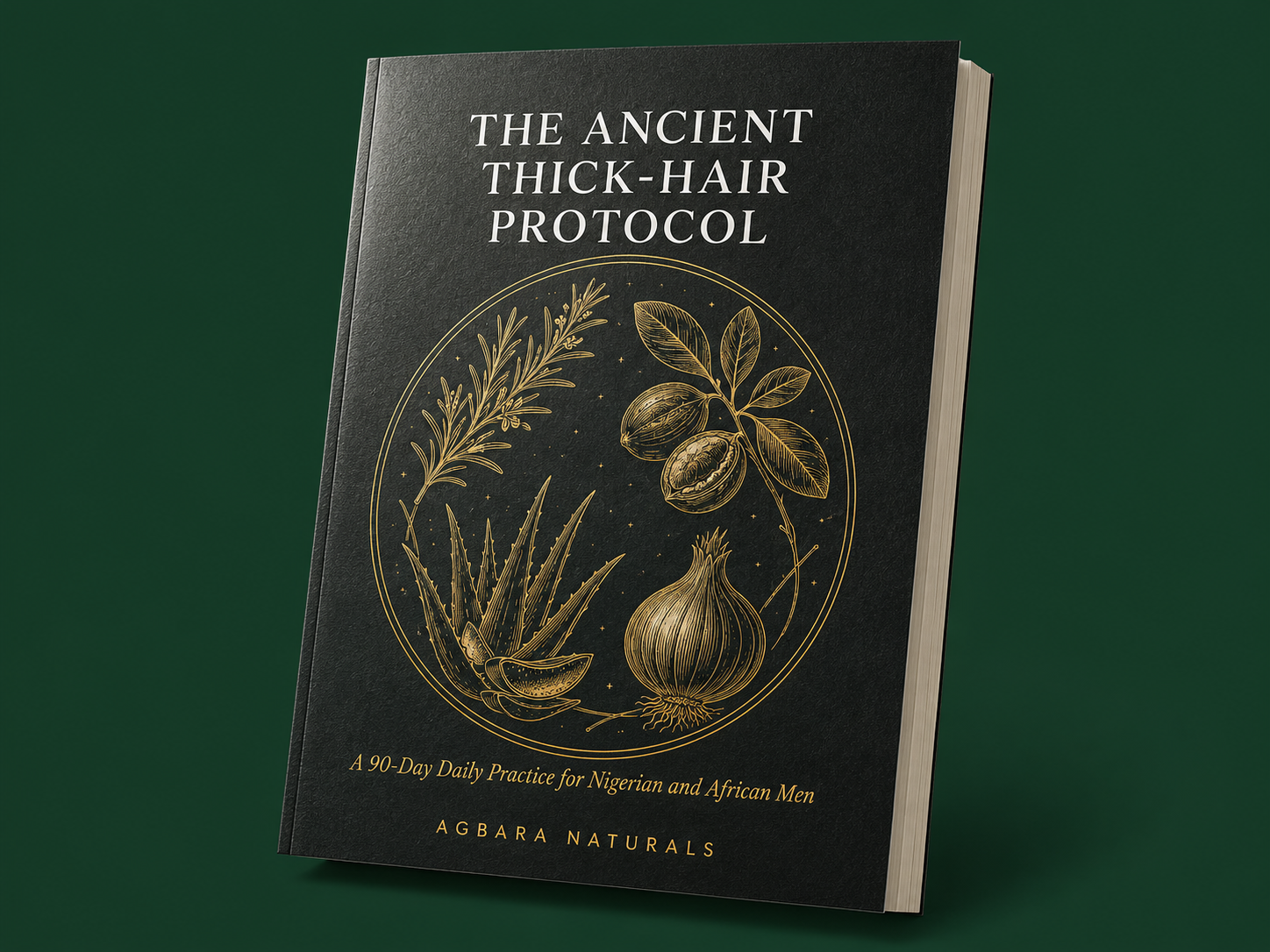
The Complete Agbara Naturals Protocol Bundle
The Ancient Thick-Hair Protocol
✓   The Ancient Thick-Hair Protocol — Core Guide (45 pages) ₦18,000
✓   Bonus 1: Agbara Naturals Ingredient Market Guide ₦5,000
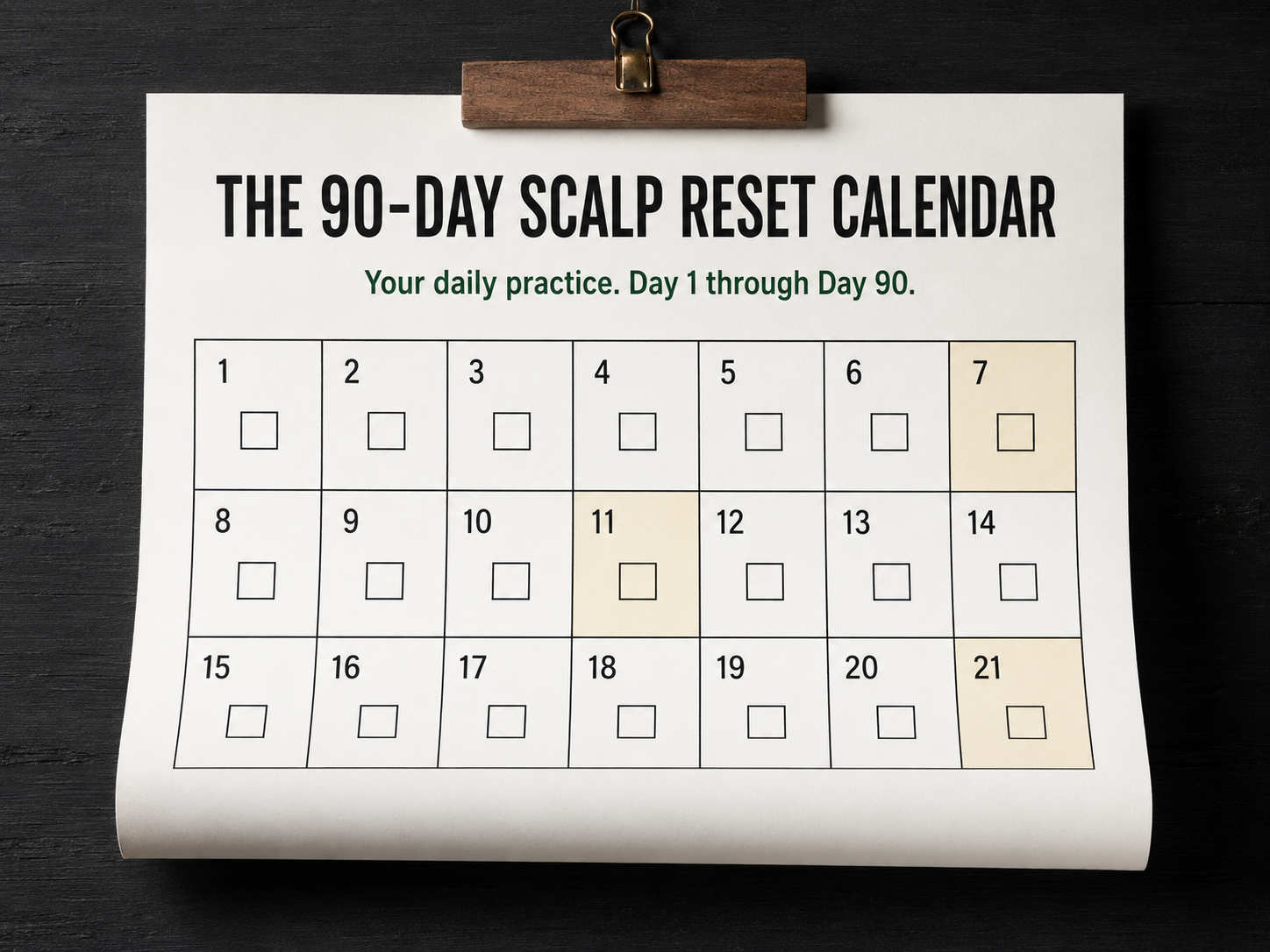
✓   Bonus 2: The 90-Day Scalp Reset Calendar ₦3,500
Total Value ₦26,500
₦9,900
YOUR PRICE TODAY • INSTANT DIGITAL DELIVERY
Get The Ancient Thick-Hair Protocol — ₦9,900
Secure checkout • Instant email delivery • Nestuge & Selar • Card / Bank Transfer / USSD
20 spots remaining at this price

Once you complete payment, the complete guide and both bonuses are delivered to your email immediately. No waiting. No WhatsApp required.

What Men Are Saying

Real Results From Men Who Started Exactly Where You Are

★★★★★
“By week ten my barber asked me what I changed. I had told nobody.”
I was completely sceptical. I have tried three different pharmacy products over two years, nothing lasted. This is different because it is a daily practice, not a product. By week six the scalp felt less tight and dry. By week ten my barber stopped mid-fade and asked what I was using. I told him nothing special. But I know. The crown is filling in at the edges. The shiny, stretched look is going. I am continuing past 90 days without hesitation.
★★★★★
“My wife noticed before I said a word. She would not say something like that unless it was real.”
I got all four ingredients from Wuse market for N3,800. That already surprised me. The preparation takes about ten minutes in the evening. By month two my wife looked at me and said the back of my head looked thicker than usual. I had not mentioned I was doing anything. She is not someone who says things for no reason. I have since shared the guide with my younger brother who is already starting to notice his own hairline. It works.
★★★★★
“The thinning slowed in a way I can see in photographs. That is not nothing.”
My father was bald by 44. I am 38. I started this practice expecting nothing honestly. I had made peace with the idea that this was genetic and nothing could change it. Ninety days later the thinning has slowed visibly. I can compare photographs. The crown does not have that stretched, shiny appearance under certain light anymore. I am not claiming a full restoration. I am saying something has changed that nothing else changed before. I will continue.
★★★★★
“I sourced everything in Peckham. This practice is built for real life. Week eight, results I can photograph.”
I live between Lagos and London. I was worried I could not source the ingredients in the UK. Everything was available in Peckham within a single afternoon. The guide tells you the English names so it is not confusing. I am now at week twelve. I have photographed the crown at weeks two, four, six, eight, ten, and twelve. The change from weeks six to twelve is undeniable. Not dramatic. But consistent and real. What I trust about this guide is that it did not over-promise. So when it delivered, I believed it.
WAIT

Two free bonuses are included for every person who accesses the guide today.

BONUS #1 — FREE
Agbara Naturals Ingredient Market Guide

The Agbara Naturals Ingredient Market Guide

Value: ₦5,000 — Yours Free Today

Where to find every ingredient in Nigeria’s major cities — Lagos, Abuja, Port Harcourt, Ibadan. Market names, stall types, what to ask for in Yoruba and English, and price ranges as of 2025. Also covers sourcing in the UK (Peckham, Brixton, Dalston) and major Canadian cities. How to identify genuine products. How to store each ingredient correctly so it stays active for the full 90 days.

  • Local market names and stall descriptions for all four ingredients
  • Price ranges so you know what is fair before you bargain
  • UK and Canada sourcing covered specifically
  • Storage guide so nothing spoils before 90 days is up

Worth ₦5,000. Yours free today.

BONUS #2 — FREE
The 90-Day Scalp Reset Calendar

The 90-Day Scalp Reset Calendar

Value: ₦3,500 — Yours Free Today

A day-by-day calendar for the full 90 days of the protocol. Each day is marked with your morning and evening tasks. Rest days are built in. Designed to be printed and placed on a wall so you never have to think about what to do next. Includes a simple weekly photograph prompt so you can see visible progress build over time.

  • Day-by-day task layout for all 90 days
  • Rest days pre-built so consistency does not become burnout
  • Weekly photograph prompts to track visible progress
  • Print-ready format — pin it to the wall and follow it

Worth ₦3,500. Yours free today.

🌿

The Agbara 90-Day Practice Guarantee

Ninety days is what this protocol asks of you. Not ten days. Not a few weeks of trying. Ninety full days of the daily practice — the scalp massage, the plant preparations, the dietary adjustments, the tracker completed.

If you follow the protocol as written, every single day, for the full 90 days — and your completed tracker shows the practice was done consistently — and you see no tangible change in scalp condition or hairline, we will return every naira of your ₦9,900. No argument. No delay.

The guarantee is built this way because the practice works when it is followed. We are not covering inconsistency. We are standing behind the result of genuine effort over ninety days. You carry zero financial risk here.

Right Now, You Have a Choice

Option 1 — Continue as you are
  • Same mirror. Same cap pulled a little lower.
  • Another month of products that address the strand, not the scalp.
  • Watching the hairline move without a genuine plan to address it.
  • Telling yourself it will slow on its own.
  • It has not slowed. It will not slow.
Option 2 — Do what the elders knew
  • Scalp that feels different within the first thirty days.
  • A barber who notices something has changed.
  • The shiny, stretched look at the crown beginning to reduce.
  • A daily practice that costs under ₦4,000 in ingredients total.
  • Full refund if 90 days of genuine practice produces no tangible change.

Consider what the next 90 days look like if nothing changes.

The same mirror. The same quiet. The same adjustments you make without announcing them to anyone.

Now consider the other version.

Ninety days from now, your barber notices something. Your scalp feels different under your own hand in the morning. The crown no longer catches light the way it did. You are not telling people. You are just noticing. Quietly. The way our grandfathers improved things — without drama, without fuss, with a daily practice and the plants the earth already provided.

₦9,900. One decision. Ninety days.

90-Day Practice Guarantee • Instant Delivery • Nestuge • Selar • Card • Bank Transfer • USSD

Questions Men Ask Before Getting The Guide

Male pattern hair thinning has a genetic component. This protocol does not claim to override genetics. What it does is support the scalp environment — circulation, nourishment, follicle conditions — that gives each follicle the best possible opportunity. Many men with a strong family history of baldness have found that consistent scalp practice meaningfully slows progression. That is the honest, supported claim.
Yes. All four core ingredients — shea butter (ori), aloe vera (ahon-erin), onion (alubosa), and rosemary — are available in Lagos, Abuja, Port Harcourt, and most Nigerian markets. The Ingredient Market Guide (Bonus 1) tells you exactly which stalls to look for, what to ask for by local name, and typical price ranges. Total cost for all four: under ₦4,000.
Yes. All four ingredients are available in African and Caribbean grocery stores across the UK and Canada. Rosemary oil is also widely stocked in health food stores. The Ingredient Market Guide covers UK and Canadian sourcing specifically — including Peckham, Brixton, Dalston, and major Toronto and Calgary stores.
Most men notice a change in scalp feel — less dryness, less tightness, reduced itching — within the first three to four weeks. Visible changes at the crown or hairline typically begin between weeks six and ten. The full 90-day protocol is where the most meaningful progress happens. The tracker is designed to help you notice incremental changes that are easy to miss week-to-week but become visible across months.
Yes — this protocol is designed to work alongside medical care, not replace it. All four ingredients are food-grade and in traditional use for generations. If you are on prescription medication including any pharmaceutical hair loss treatment, inform your doctor before starting any new scalp regimen. The guide states this clearly. Alongside your doctor, always.
Most products address the hair strand. They add moisture, volume, or coating to existing hair. This protocol addresses the scalp itself — the follicle environment, the circulation, the nourishment reaching the root. Four verified plant preparations, a specific massage technique, applied consistently over 90 days. It is a daily practice, not a product. That distinction is the entire difference.
Follow the protocol consistently for 90 days. Keep your tracker. If your tracker shows you completed the practice daily and you see no tangible change in scalp condition or hairline, contact us and receive a full refund of your ₦9,900. No conditions beyond completing the work. You take no financial risk.
Immediately upon payment confirmation, the complete guide and both bonuses are delivered to your email. Instant delivery. No WhatsApp required. Checkout is secure through Nestuge or Selar. Card, bank transfer, and USSD are all accepted.

One Last Thing Before You Decide

I want you to imagine something specific.

It is three months from today. You are at the barber.

He lifts the hair at your crown and he pauses.

Not in the way he used to pause. Not the quiet pause where you both pretend nothing is happening.

He pauses because something has changed. Something he needs to look at more closely before he says anything.

Then he asks: “Oga, what did you change? Something is different here.”

You say nothing special.

But you know.

That version of that morning is possible. What separates it from where you are now is ninety days of a ten-minute daily practice and four plants available at any Nigerian market for under ₦4,000.

The knowledge has always been here. Baba Akinwande did not invent it. He simply remembered it.

Now it is documented. And it is available to you today for ₦9,900.

The Ancient Thick-Hair Protocol — Complete Bundle
Get The Ancient Thick-Hair Protocol Now — ₦9,900

90-Day Practice Guarantee • Instant Delivery • All Bonuses Included

With respect,

David F. O. 🌿

P.S. The guarantee is real. Ninety days of consistent daily practice, completed tracker, no tangible change — full refund of your ₦9,900. No conditions beyond doing the work. The only risk you carry right now is continuing another three months as you are.
P.P.S. The ₦9,900 price is not permanent. When it changes, it changes without warning. If you have read this far, you already know this guide is for you.
P.P.P.S. All four protocol ingredients cost under ₦4,000 at any Nigerian market. You have already spent more than that this month on products that addressed the strand and not the scalp. This is different. Start today.

This guide contains traditional plant wellness information compiled for educational and informational purposes. Individual results will vary. This protocol is not intended to diagnose, treat, cure, or prevent any medical condition and is not a substitute for professional medical advice. Always consult your healthcare provider or a dermatologist before beginning any new scalp regimen, especially if you are on prescribed medication or managing a diagnosed scalp or hair condition. Alongside your doctor, always.

Agbara Naturals — Ancient Strength. Plant Wisdom. Daily Practice.
Questions? Reply to your delivery email. Response within 24 hours.